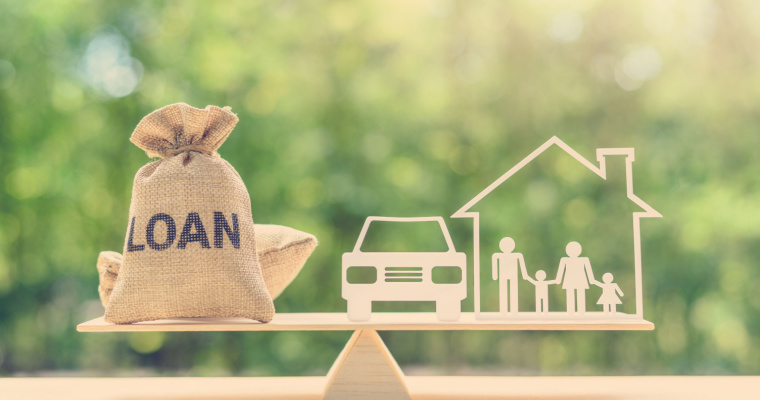
In Singapore, buying a car is a major financial commitment — and so is buying a home. What many buyers don’t realise is that your car loan can significantly affect your ability to secure a home loan, especially under MAS’s TDSR and MSR frameworks.
If you’re planning to purchase a property in the next 6–18 months, understanding how car financing affects your loan eligibility is crucial. This guide breaks down the different types of car loans, their impact on home loan approval, and strategic tips to avoid unintentionally reducing your borrowing power.
Types of Car Loans in Singapore — And How They Affect Your Home Loan
Singapore offers two main types of car financing:
1️⃣ Bank Car Loans (Traditional Hire Purchase)
2️⃣ In-House Car Financing (Dealership Leasing)
Each affects your home loan differently.
Bank Car Loans (Traditional Hire Purchase)
How It Works
A bank lends you the amount needed for the car purchase, and you repay it through fixed monthly instalments over a chosen tenure.
Key features:
-
Maximum tenure: Up to 7 years
-
Loan amount depends on the car’s OMV:
-
OMV ≤ $20,000 → Up to 70% loan
-
OMV > $20,000 → Up to 60% loan
-
This is the most common type of car financing in Singapore.
How Bank Car Loans Impact Your Home Loan
Bank car loans show up in:
-
Your TDSR (Total Debt Servicing Ratio)
-
Your credit report
That means:
Higher car loan instalment = Lower home loan eligibility
Your monthly car instalment reduces the room available for your home mortgage within the TDSR limit.
For example:
-
High loan amount = higher monthly repayment
-
Longer tenure = more interest and tighter TDSR
-
Outstanding balances = higher debt obligations
This can significantly reduce your borrowing power when applying for a property loan.
In-House Car Financing (Dealership Leasing)
How It Works
In-house financing is offered by car dealers rather than banks. It often includes:
-
Higher interest rates
-
Flexible repayment structures
-
Leasing options (some allow returning the car at the end instead of full payment)
An Important Advantage
In-house financing typically DOES NOT appear in your Credit Bureau report.
This means:
-
It doesn’t count towards your TDSR
-
It doesn’t affect your official debt obligations
For clients exploring in-house options, you can reach out for recommended companies.
How In-House Car Financing Impacts Your Home Loan
Because it doesn’t appear in your credit profile:
It is unlikely to affect your home loan eligibility.
However, banks may still ask about major monthly obligations during manual underwriting — so overstretching yourself is still not recommended.
How Car Loans Affect Your Ability to Buy a Home in Singapore
Car loans impact your home loan in three main ways:
1️⃣ Through TDSR
2️⃣ Through MSR (for HDB/EC buyers)
3️⃣ Through your credit score
Let’s break them down.
Total Debt Servicing Ratio (TDSR)
TDSR limits your total monthly debt obligations to 55% of your gross monthly income.
This includes:
-
Car loans
-
Home loans
-
Personal loans
-
Renovation loans
-
Credit cards
-
Buy-now-pay-later instalments
Example
Monthly income: $10,000
TDSR cap (55%): $5,500
If your car loan instalment is $1,200:
-
$5,500 – $1,200 = $4,300 remaining room for a home loan
This directly reduces:
-
Your maximum loan amount
-
Your property price range
Even a relatively “small” car instalment can shave off hundreds of thousands from your eligible property loan, depending on interest rates and tenure.
Mortgage Servicing Ratio (MSR)
MSR applies only to:
-
HDB buyers
-
EC buyers (first 10 years)
MSR caps your monthly mortgage to 30% of your gross monthly income.
A car loan does not directly affect MSR, but it reduces your disposable income, which indirectly affects:
-
Your ability to commit to the maximum MSR
-
Bank confidence during underwriting
-
Your financial stability perception
For HDB/EC buyers, both MSR and TDSR apply, and the car loan can become a major constraint.
Credit Score & Loan Approval Confidence
Your credit score reflects:
-
Outstanding debts
-
Repayment behaviour
-
Number of active credit facilities
A car loan can:
-
Increase your credit utilisation
-
Reduce financial “headroom”
-
Lower your credit score (especially if repayments aren’t prompt)
Banks may see a high car loan as:
-
A sign of overleveraging
-
A risk factor for mortgage repayment
-
A reason to reduce your approved loan amount
Should You Take a Car Loan Before Buying a Home?
This is one of the most common questions property clients ask, and the answer depends on your timing.
- If you’re planning to buy a home soon:
Avoid taking a car loan.
A new car instalment can significantly reduce your home loan eligibility.
- If you already have a home loan:
Keep car loan instalments as low as possible to maintain healthy cash flow.
Ideal Strategy:
Buy your home first, then purchase your car afterwards — when your mortgage is already secured.
Car Loans can make or break your home loan eligibility in Singapore.
Car loans might seem unrelated to property purchases, but they play a major role in:
-
TDSR calculations
-
Credit scoring
-
Loan approval confidence
-
Financial risk assessment
If buying a home is part of your near-term plans, always evaluate how a car loan will impact your borrowing capacity first.
Need help calculating how a car loan affects your property loan?
Whether you’re planning your first home purchase or considering an upgrade, I can help you assess your affordability clearly and confidently.
Contact me, Libin from Instyle Homes Singapore, for a non-obligatory consultation today!